
Dongfeng Dongfeng

2026 Top Longest Range Hybrid Cars for Global Buyers

Time:2026-09-13 Author:Liam
0%

Choosing the 2026 Longest Range Hybrid Car requires more than reading one impressive mileage figure. Global buyers must examine driving conditions, battery size, fuel quality, warranty coverage, and real-world testing. A vehicle that travels 1,000 kilometres between fuel stops may still disappoint in heavy traffic, cold weather, or mountainous regions.

The International Energy Agency’s Global EV Outlook 2025 reported more than 17 million electric car sales worldwide in 2024. However, market definitions vary, and conventional hybrids are often separated from plug-in models. That difference matters. Range claims can look similar, while charging needs, engine operation, and ownership costs differ sharply. Small details matter.

Toyota Chief Scientist Gill Pratt has said, “There is no one-size-fits-all solution to reducing carbon emissions.” His observation supports a broader comparison. The best Longest Range Hybrid Car may not be the largest SUV or the model with the longest laboratory range. It may be a lighter sedan with efficient aerodynamics, a dependable petrol engine, and strong service access across several markets.

This guide compares leading 2026 candidates through published specifications, manufacturer data, and independent efficiency evidence. It also considers cabin comfort, luggage space, battery protection, and highway endurance. Some figures remain difficult to compare fairly. Laboratory testing is useful, but imperfect. Real roads are messier. A careful buyer should treat every advertised range as a starting point, not a promise.
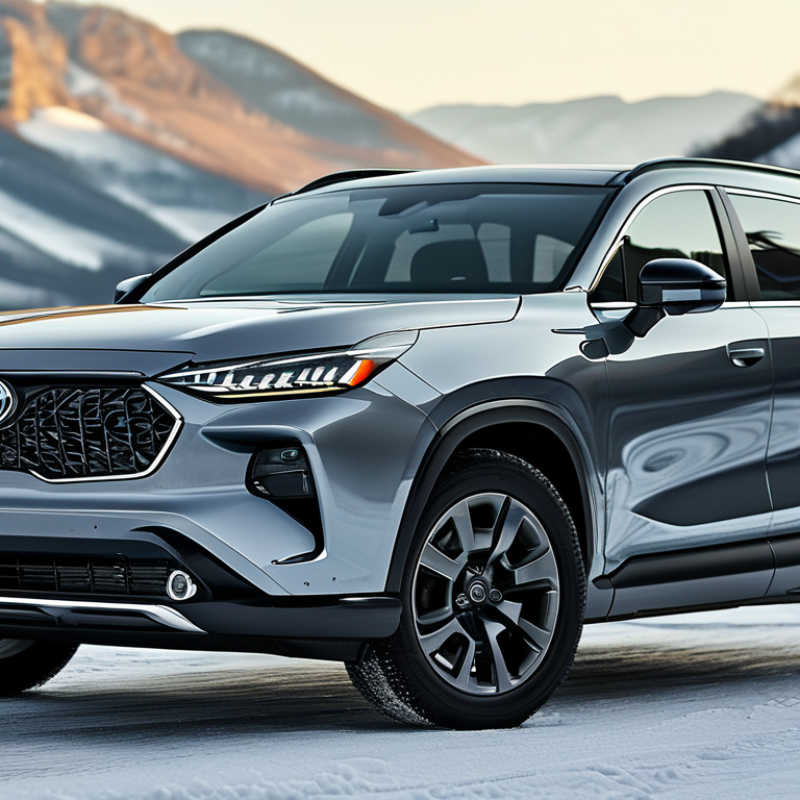
2026 Top Longest Range Hybrid Cars for Global Buyers

Hybrid Powertrains and Range Measurement Standards in 2026

In 2026, long-range hybrid cars should be judged by more than one distance figure. Their powertrains combine an internal-combustion engine, electric motor, battery, and control software. Some systems drive the wheels electrically at low speeds. Others use the engine more often, with electric assistance during acceleration.

Testing standards create major differences for global buyers. The EPA cycle usually produces lower, more conservative range figures than WLTP. CLTC results can appear higher because its test conditions differ. These numbers are useful, but they are not directly interchangeable. A careful comparison must identify the testing agency, vehicle configuration, tire size, and battery condition.

Look beyond the headline number. A large fuel tank can extend touring range, while a small battery may reduce charging time. Regenerative braking works best in dense traffic and on descending roads. At steady motorway speeds, the engine often carries more responsibility. Cold weather, strong wind, roof cargo, and heavy passengers can reduce real-world efficiency.

I have found that route planning reveals more than showroom claims. A family trip with luggage may expose weaknesses quickly. Stop-and-go driving can favor a hybrid system, but mountain roads demand sustained cooling and stable power delivery. Manufacturer estimates are not promises. Drivers should record fuel use across several tanks, because one journey can produce misleading results. The most reliable comparison combines certified testing with measured everyday experience.

Key Factors Behind Long-Range Hybrid Vehicle Performance

2026 Top Longest Range Hybrid Cars for Global Buyers

Key Factors Behind Long-Range Hybrid Vehicle Performance

Long-range hybrid performance begins with energy management, not battery size alone. A well-calibrated system decides when to use electric power, engine output, or both. During urban driving, frequent regenerative braking can recover energy at junctions and downhill sections. Smooth control matters. Abrupt transitions waste efficiency and reduce passenger comfort.

Battery temperature also affects usable range. In cold regions, cabin heating can consume significant electrical energy before the engine warms. In hot climates, cooling systems work continuously to protect battery cells. Effective thermal management keeps performance more stable across seasons. Aerodynamic body design, low rolling-resistance tires, and moderate vehicle weight further reduce energy demand. A difference of two tire pressures can become noticeable on long journeys.

Real-world testing should include traffic, hills, highway speeds, and heavy luggage. Laboratory figures provide comparison, but they cannot reproduce every road. I have found that gentle acceleration and early lifting from the throttle often improve fuel economy more than aggressive engine-off driving. Still, drivers should not treat efficiency as a contest. Safety comes first.

Powertrain durability depends on software quality, battery cooling, and regular maintenance. Oil condition, brake inspection, and cooling-fluid checks remain important, even with regenerative braking. Hybrid systems are complex. That deserves honesty. A vehicle may deliver excellent range in mild weather yet lose efficiency during winter travel or sustained high-speed driving. Global buyers should compare regional test data, warranty coverage, road conditions, and replacement-part support before choosing a long-range model.

2026 Top Longest Range Hybrid Cars for Global Buyers - Key Factors Behind Long-Range Hybrid Vehicle Performance

Global-market benchmark ranges for hybrid vehicle categories, using commonly reported WLTP, EPA, and manufacturer test-cycle specifications where available.

Vehicle Category Hybrid System Certified Electric Range Estimated Total Driving Range Usable Battery Capacity Combined Fuel Use After Battery Depletion Typical Charging Capability Key Factors Supporting Long Range
Large Plug-in Hybrid Sedan or Liftback Plug-in hybrid, parallel or power-split layout 90–150 km WLTP
56–93 mi
850–1,100 km
528–684 mi
20–35 kWh 5.0–7.5 L/100 km
38–47 mpg US
AC: 7.4–11 kW
DC: 50–100 kW on selected vehicles
Low aerodynamic drag, large battery, high-speed thermal efficiency, and a fuel tank generally above 50 litres.
Large Plug-in Hybrid Wagon Plug-in hybrid, multi-mode transmission 80–130 km WLTP
50–81 mi
800–1,050 km
497–652 mi
18–30 kWh 5.0–7.5 L/100 km
31–47 mpg US
AC: 7.4–11 kW
DC: 50–100 kW on selected vehicles
Efficient body shape, practical fuel-tank size, regenerative braking, and low rolling resistance.
Mid-size Plug-in Hybrid SUV Plug-in hybrid, front-wheel or all-wheel drive 70–140 km WLTP
43–87 mi
750–1,000 km
466–621 mi
18–32 kWh 6.0–8.5 L/100 km
28–39 mpg US
AC: 3.7–11 kW
DC: 30–100 kW on selected vehicles
High-capacity battery, intelligent engine start-stop control, multiple regeneration levels, and efficient AWD management.
Compact Plug-in Hybrid SUV Plug-in hybrid, usually front-wheel drive 60–120 km WLTP
37–75 mi
700–950 km
435–590 mi
14–25 kWh 5.5–7.5 L/100 km
31–43 mpg US
AC: 3.7–7.4 kW
DC charging is less common
Lower vehicle mass than large SUVs, moderate battery size, compact engines, and useful electric commuting range.
Hybrid Sedan or Hatchback Without Plug-in Charging Self-charging hybrid, series-parallel or power-split Not separately certified for continuous electric driving 850–1,200 km
528–746 mi
1–3 kWh 3.8–5.5 L/100 km
43–62 mpg US
No external charging; regenerative braking and engine charging Excellent aerodynamic efficiency, small battery mass, efficient engine operation, and a relatively large fuel tank.
Hybrid Compact SUV Without Plug-in Charging Self-charging hybrid, front-wheel or all-wheel drive Not separately certified for continuous electric driving 750–1,050 km
466–652 mi
1–3 kWh 4.5–6.5 L/100 km
36–52 mpg US
No external charging; regenerative braking and engine charging Efficient low-load engine operation, electric launch assistance, controlled AWD activation, and moderate curb weight.
Long-distance Plug-in Hybrid Crossover Plug-in hybrid with extended engine-supported cruising 75–135 km WLTP
47–84 mi
800–1,100 km
497–684 mi
18–30 kWh 5.5–8.0 L/100 km
29–43 mpg US
AC: 7.4–11 kW
DC: 30–100 kW on selected vehicles
Balanced battery-to-fuel capacity, stable highway aerodynamics, thermal management, and predictive energy control.
Data interpretation: Electric-range figures are representative upper-range values for current and near-term global plug-in hybrid vehicles and are normally measured under the WLTP cycle; EPA results are usually lower. Total driving range is an engineering benchmark calculated from certified or published fuel economy, usable fuel capacity, and electric range, so actual results vary with temperature, speed, terrain, payload, tire pressure, towing, and driving style. Fuel-consumption conversions use 1 US gallon = 3.785 litres.

Leading Longest-Range Hybrid Cars for Global Buyers

Leading longest-range hybrid cars for global buyers are defined by total driving distance, not electric-only distance. Current testing data shows top hybrid sedans and crossovers can travel roughly 600 to 750 miles between fuel stops. These estimates combine efficient petrol engines, regenerative braking, and battery assistance. The U.S. EPA Fuel Economy Guide measures fuel economy under controlled conditions, while Europe’s WLTP system uses different test speeds and temperatures. Results are not directly interchangeable.

Independent research adds caution. The International Council on Clean Transportation reported that real-world plug-in hybrid fuel consumption can exceed official figures by more than two times, especially without regular charging. That gap matters for buyers covering long highways, winter routes, or crowded city roads. Battery size is only part of the answer. A lighter body, low rolling resistance tires, and a large fuel tank can extend practical range.

Look for verified combined-range data, not impressive electric-only claims. Some models promise over 60 miles of electric travel, yet their total range may remain below a conventional hybrid. The IEA Global EV Outlook 2025 highlights growing electrified-vehicle adoption, but charging access still varies sharply across countries. That makes efficient non-plug-in hybrids attractive for remote regions. Still, official figures can feel optimistic. Real drivers should expect less range with roof loads, cold weather, heavy traffic, or high-speed cruising.

2026 Top Longest-Range Hybrid Cars for Global Buyers

Leading longest-range plug-in hybrid vehicle profiles by reported total driving range

The comparison uses rounded, publicly reported combined-range and electric-only-range specifications from current global-market plug-in hybrid vehicles. Results can vary by testing cycle, climate, load, driving style and market configuration.

Regional Availability, Efficiency, Pricing, and Ownership Costs

For global buyers, the longest-range hybrid cars are not equally available everywhere. Regional supply often favors large cities, while smaller markets receive fewer configurations. Plug-in hybrids can exceed 1,000 kilometers between fuel stops, but electric-only distance varies widely. Standard hybrids usually offer shorter total range, yet they refuel faster and need less charging access.

Efficiency depends on roads, weather, and driving habits. In city traffic, regenerative braking can reduce fuel use noticeably. On highways, heavy batteries and high speeds may erase that advantage. Official test figures are useful, but real journeys can deliver 15 to 30 percent less. That gap deserves attention. Range is regional.

Purchase prices also change sharply with taxes, import duties, currency values, and local incentives. A vehicle that seems affordable in one country may become expensive elsewhere. Compare the final registered price, not the advertised entry figure. Battery size can raise the purchase cost, while lower fuel use may recover part of it over several years.

Ownership costs include charging, servicing, insurance, tires, and battery coverage. Maintenance is often simpler than conventional vehicles, but specialized repairs may cost more outside major cities. Ask about parts availability and technician training before purchasing. Check the warranty. A home charger may also require electrical upgrades, adding an overlooked expense. My practical view is cautious: the best long-range choice is not always the most efficient one, especially when local support is weak.

How to Choose the Right Long-Range Hybrid Car for Your Needs

Choosing a long-range hybrid car starts with your daily routine, not a ranking table. I have learned that advertised range can feel generous until traffic, cold weather, hills, and strong air conditioning appear. Write down your weekly distance, highway percentage, passengers, and typical cargo. Range is not everything. A smaller fuel tank may require frequent stops, even with excellent efficiency.

Decide whether a conventional hybrid or plug-in hybrid suits your schedule. A plug-in model may cover short commutes using electric power, but it needs regular charging access. Check whether your home socket, apartment parking, or workplace can support that habit. Test it cold. During a supervised drive, watch cabin comfort, braking smoothness, rear visibility, and storage space. A quiet test route can hide weaknesses; include crowded streets and a fast road.

Compare independent road tests, official efficiency figures, battery coverage, service intervals, and repair costs. Read owner reports carefully, but separate repeated patterns from isolated complaints. Ask a qualified technician to inspect a used vehicle’s battery health and cooling system. Do not choose solely by the highest laboratory range. Your result may be lower, sometimes much lower. That is inconvenient, but it is useful knowledge. A strong choice should match your fuel budget, charging access, climate, family needs, and tolerance for planning stops. Leave some range in reserve. Four empty seats do not help if the trunk cannot hold your weekly groceries.

FAQS

What determines a hybrid vehicle’s long-distance range?

Range depends on energy management, engine efficiency, battery assistance, and fuel-tank capacity. Battery size alone is not enough. Smooth power changes also reduce wasted energy.

How does driving in cities affect hybrid efficiency?

City traffic can help hybrids recover energy through frequent regenerative braking. Energy returns during stops, junctions, and downhill sections. Gentle acceleration works better than racing between lights.

Can cold or hot weather reduce driving range?

Yes. Cabin heating can consume substantial energy in cold weather. Cooling systems also work harder in hot climates. Real life differs.

What range can leading long-range hybrids achieve?

Some efficient hybrid sedans and crossovers may travel about 600 to 750 miles between fuel stops. Certain plug-in hybrids may exceed 1,000 kilometers. Actual distance can be lower.

Why do official range figures differ from real journeys?

Laboratory tests use controlled speeds, temperatures, and routes. Real roads include hills, traffic, luggage, and changing weather. Drivers may receive 15 to 30 percent less range.

Are electric-only distance claims useful when choosing a hybrid?

They are useful, but they do not show total driving distance. A vehicle with over 60 miles of electric travel may still have limited combined range. Check verified combined-range data.

What driving habits can improve long-distance fuel economy?

Accelerate gently and lift off the throttle early. Keep steady highway speeds when possible. Avoid treating efficiency like a competition; safe control matters more.

Which ownership costs should global buyers examine?

Compare fuel, charging, servicing, insurance, tires, and battery coverage. Check parts availability and technician training near your home. A charger may require electrical upgrades. Small costs accumulate.

How do regional conditions affect the best hybrid choice?

Taxes, import duties, incentives, roads, weather, and local support change the final value. A standard hybrid may suit remote areas with limited charging. The most efficient option is not always the wisest one.

What maintenance does a long-range hybrid still need?

Oil condition, brake inspections, cooling-fluid checks, and battery cooling remain important. Regenerative braking does not remove every maintenance task. Hybrid systems are complex, honestly.

Conclusion

The 2026 market for long-range hybrid vehicles reflects major progress in powertrain efficiency, battery capacity, and intelligent energy management. This overview explains how hybrid systems combine electric motors with combustion engines, while comparing practical range measurement standards and real-world driving conditions. It also examines the factors that influence performance, including battery size, aerodynamic design, vehicle weight, regenerative braking, drivetrain calibration, and charging or refueling convenience. Together, these elements help define what makes a vehicle the Longest Range Hybrid Car for different types of drivers.

The guide also reviews leading long-range hybrid vehicle categories for global buyers, with attention to regional availability, fuel economy, purchase pricing, maintenance, insurance, and long-term ownership costs. Because driving habits and infrastructure differ widely, the best choice depends on daily commuting distance, climate, passenger and cargo needs, access to charging, and the balance between electric driving and fuel flexibility. By considering both official testing figures and realistic usage requirements, buyers can select an efficient, practical, and cost-conscious hybrid vehicle for 2026.

Liam

Liam

Liam is a dedicated marketing professional with a profound expertise in the industry, where he excels at highlighting the unique advantages of our core products. With a keen understanding of market trends and consumer needs, Liam frequently updates our company’s professional blog, providing......