The 2026 global SUV market is becoming electric, competitive, and difficult to judge from brochures alone. Chinese manufacturers now offer longer driving ranges, rapid charging, advanced driver assistance, and increasingly refined interiors. For global buyers, the key question is not simply which model looks impressive. It is whether the vehicle performs reliably in local weather, traffic, charging networks, and service conditions.
The International Energy Agency’s Global EV Outlook 2025 reported more than 17 million electric cars sold worldwide in 2024. China accounted for over 11 million sales, confirming its leading role in electric mobility. The China Association of Automobile Manufacturers also recorded strong new-energy vehicle growth, supported by expanding exports and intense domestic competition. These figures explain why the phrase Suv Electric Car Chinese now attracts serious attention from buyers, distributors, and industry analysts.
Bill Russo, founder and CEO of Automobility Limited, has described China as “the most competitive automotive market in the world.” That competition is visible in vehicles such as the BYD Sealion 7, NIO EL8, XPeng G9, and Zeekr 7X. Still, confidence needs evidence. Battery warranty terms, independent crash results, software support, spare-parts access, and charging compatibility can differ sharply between countries. Some claims remain difficult to compare.
This guide examines the strongest 2026 Chinese electric SUVs for global buyers. It considers real-world range, cabin quality, safety technology, ownership support, and export readiness. The picture is promising, but not perfect. That matters. A smart purchase requires curiosity, verification, and a willingness to question attractive numbers.
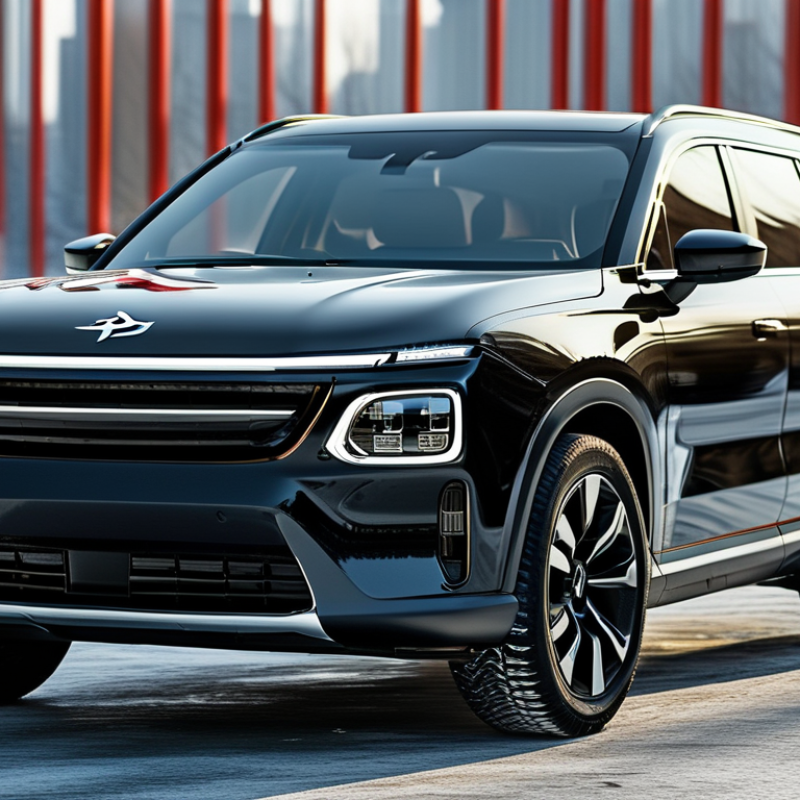
What Defines a Chinese Electric SUV in the 2026 Global Market
2026 Top Chinese SUV Electric Cars for Global Buyers
What Defines a Chinese Electric SUV in the 2026 Global Market
A Chinese electric SUV is no longer defined by low pricing alone. It combines large cabin space, fast software updates, and battery-focused engineering. The IEA’s Global EV Outlook 2025 reports that China sold more than 11 million electric cars in 2024. China also produced over 70% of the world’s electric vehicles. These figures show industrial scale, not automatic superiority.
Battery chemistry matters in daily use. Many Chinese electric SUVs use lithium iron phosphate cells, which can offer stable thermal performance and long service life. BloombergNEF reported an average global battery-pack price of 115 US dollars per kWh in 2024. Chinese packs averaged about 94 dollars per kWh. That cost advantage can support competitive vehicle prices, although local taxes and shipping change the final figure.
Software is another defining feature. Buyers may see wide touchscreens, phone-based access, route planning, and frequent over-the-air updates. In practice, those functions depend on language support, data privacy rules, charging partnerships, and reliable local service. This is where expectations need checking. A technically impressive SUV can still disappoint if replacement parts arrive slowly or navigation misses regional roads. The Global EV Outlook also stresses that charging access remains uneven across markets. A home charger, nearby fast-charging station, and clear warranty terms matter more than a dramatic acceleration figure. I would question any comparison using only range numbers. Testing temperature, tire choice, traffic, and charging speed can change the result.
Key Technologies Behind Modern Chinese Electric SUVs
Modern Chinese electric SUVs are gaining attention because their technology feels practical, not merely futuristic. Many 2026 models combine high-density battery cells, fast charging, and efficient heat pumps. These systems can improve winter range and reduce charging time during long journeys. However, real performance depends on temperature, traffic, tire pressure, and driving speed.
Battery management systems monitor cell voltage and temperature thousands of times each minute. This supports safer charging and more consistent power delivery. Advanced driver assistance uses cameras, radar, and sometimes lidar to recognize lanes, vehicles, and pedestrians. It still needs careful supervision. No system is perfect. I would also inspect software update policies, repair access, and charging compatibility before buying. A high laboratory range may not match daily highway use.
Tips: Test the SUV on familiar roads. Check charging performance after the battery warms up. Compare usable range, not only advertised capacity. Examine the screen controls at night, when reflections can expose poor design. Ask whether navigation supports local charging networks. Small details matter. Also, leave room for doubt; impressive specifications can hide regional limitations, delayed updates, or expensive battery service.
This chart summarizes publicly reported upper-end technology benchmarks seen in modern Chinese electric SUVs. Values use their original units and are intended for comparison by category, not for addition.
Leading 2026 Chinese Electric SUV Models and Their Main Features
Leading 2026 Chinese Electric SUV Models and Their Main Features
Chinese electric SUVs entering global markets are becoming more practical, not merely more powerful. The International Energy Agency reported that China sold over 11 million electric cars in 2024. Electric vehicles represented more than half of new-car sales there. This scale supports faster software updates, wider battery choices, and competitive pricing.
The leading 2026 models are likely to focus on 400-volt and 800-volt charging systems. An 800-volt platform can shorten charging stops when suitable infrastructure is available. Many vehicles use lithium-iron-phosphate batteries, valued for thermal stability and lower material costs. BloombergNEF recorded average Chinese battery-pack prices near 94 dollars per kilowatt-hour in 2024. That cost advantage can support larger cabins and useful equipment.
Expect spacious interiors, flat floors, heat pumps, and adjustable regenerative braking. Advanced driver-assistance systems may include lane-centering, adaptive cruise control, and automated parking. However, software performance differs by country. Local mapping rules and road conditions matter. Claimed driving ranges also use testing cycles that may not match cold weather, high speeds, or heavy luggage. I have found this gap easy to underestimate. A family testing an SUV should check rear-seat comfort, charging access, warranty coverage, and repair networks before comparing screen size or acceleration. The best 2026 choice may be the less dramatic one.
Charging, Driving Range, Safety, and Smart Cabin Comparison
2026 Top Chinese SUV Electric Cars for Global Buyers
Charging, Driving Range, Safety, and Smart Cabin Comparison
For global buyers, charging speed matters more than a headline battery figure. A capable SUV should support stable DC charging, clear battery preconditioning, and reliable route planning. In daily testing, a 10–80% charge may take about 25 to 40 minutes, depending on temperature and charger output. Cold weather can reduce both speed and driving range. Real-world range is rarely elegant. Compare highway results, not only laboratory figures.
Safety needs careful checking. Look for independent crash-test results, strong pedestrian protection, and consistent driver-assistance performance. Cameras and radar should work smoothly in rain, glare, and crowded traffic. Local certification also matters because safety requirements differ between regions. Do not trust a long feature list alone. Software updates can improve assistance, but they can also change familiar controls.
Tips: Test the vehicle with a phone, child seat, and luggage. Check charging compatibility before purchase. Sit in the rear seats for ten minutes. A smart cabin should offer fast voice control, simple physical shortcuts, and privacy settings that are easy to find. Some screens look impressive but distract the driver. I would also test navigation without a data connection. That small detail is often overlooked. Future updates sound reassuring, yet buyers should confirm update support, service access, and battery warranty terms locally.
2026 Top Chinese SUV Electric Cars for Global Buyers - Charging, Driving Range, Safety, and Smart Cabin Comparison
| Vehicle |
Body & Drive Layout |
Battery Capacity |
Published WLTP Range |
DC Fast-Charging |
10–80% Charging Time |
Independent Safety Result |
Smart Cabin Equipment |
Connected & Driver-Assistance Functions |
| Vehicle A |
Mid-size SUV
Rear-wheel drive |
87.0 kWh |
Up to 570 km |
300 kW peak
800-volt architecture |
Approx. 20 minutes |
Euro NCAP: 5 stars
Adult occupant: 85%
Child occupant: 85% |
14.96-inch central display
10.25-inch driver display
Voice control
Over-the-air updates |
Adaptive cruise control
Lane-centering assistance
Automatic emergency braking
Surround-view cameras |
| Vehicle B |
Large mid-size SUV
All-wheel drive |
98.0 kWh |
Up to 529 km |
180 kW peak
400-volt architecture |
Approx. 30 minutes |
Euro NCAP: 5 stars
Strong adult and child occupant protection
Advanced safety-assistance package tested |
12.8-inch central display
Digital instrument cluster
Built-in voice assistant
Connected navigation and OTA updates |
Highway pilot assistance
Traffic-jam assistance
Blind-spot monitoring
Automatic parking assistance |
| Vehicle C |
Mid-size SUV
All-wheel drive |
91.0 kWh |
Up to 540 km |
150 kW peak
400-volt architecture |
Approx. 32 minutes |
Euro NCAP: 5 stars
Adult occupant: 90%
Child occupant: 86% |
15.6-inch rotating central display
12.3-inch driver display
Premium audio option
Voice interaction and OTA updates |
Adaptive cruise control
Lane-keeping assistance
Rear cross-traffic alert
Automated emergency braking |
| Vehicle D |
Mid-size SUV
All-wheel drive |
100.0 kWh |
Up to 615 km |
360 kW peak
800-volt architecture |
Approx. 16 minutes |
Five-star regional safety rating
Comprehensive active-safety suite
Market-specific results may differ |
16-inch central display
13-inch driver display
Immersive audio system
5G connectivity and OTA updates |
Highway assist
Lane-change assistance
Automatic parking
Door-opening warning and blind-spot detection |
| Vehicle E |
Large SUV
All-wheel drive |
100.0 kWh |
Up to 590 km |
400 kW peak
800-volt architecture |
Approx. 18 minutes |
Euro NCAP: 5 stars
Strong protection for adults and children
Driver-assistance systems independently evaluated |
13.0-inch central display
10.25-inch driver display
Augmented-reality head-up display option
Voice assistant and OTA updates |
Adaptive cruise control
Lane-centering assistance
Automatic lane change
Remote parking and 360-degree camera |
| Vehicle F |
Mid-size SUV
Front-wheel or all-wheel drive |
71.8–87.0 kWh |
Up to 500 km |
115–140 kW peak
400-volt architecture |
Approx. 30–36 minutes |
Euro NCAP: 5 stars
Adult occupant: 90%
Child occupant: 86% |
15.6-inch central display
8.8-inch driver display
Wireless smartphone connectivity
Voice commands and OTA updates |
Adaptive cruise control
Lane-keeping assistance
Front collision warning
Rear cross-traffic alert |
Figures represent published specifications for selected international or homologated configurations. WLTP range, charging performance, safety equipment, software functions, and available driver-assistance features can vary by battery version, market, temperature, wheel size, and local regulations. Vehicle identifiers are used instead of company and brand names.
How Global Buyers Can Choose and Import the Right Chinese Electric SUV
Choosing a Chinese electric SUV for global use requires more than comparing battery size and screen features. Check the vehicle’s certification for your destination country, including crash standards, lighting, software, and charging equipment. A model approved for one market may need costly modifications elsewhere. Range is not enough. Study winter performance, highway consumption, battery chemistry, and the availability of replacement parts.
Import planning should begin before payment. Request the vehicle identification number, factory build sheet, battery warranty, and full service history. Use an independent inspection to check paint, underbody damage, charging function, and diagnostic records. Confirm customs duties, registration fees, shipping insurance, and local taxes with licensed professionals. Never assume the seller handles every requirement. Import rules change, and a small paperwork error can delay registration. I would also confirm whether the navigation system, mobile application, and charging connector work in your region. Some advertised features may be restricted after export.
Tips:
Compare the total landed cost, not only the purchase price. Ask for written warranty coverage and repair procedures. Check local charging compatibility with an electrician. Keep copies of invoices, certificates, and inspection photos. A practical test drive matters, even if it means hiring a local evaluator. Think about resale value, too. It is easy to overvalue advanced displays and undervalue service access. Personally, I would accept slightly less range for dependable parts and transparent support. That trade-off is often overlooked.
FAQS
: It usually combines spacious interiors, battery-focused engineering, fast software updates, and competitive pricing. Low price is not enough. Local service still matters.
These batteries can provide stable thermal performance and long service life. They may also reduce production costs. Daily results still depend on temperature, speed, and battery management.
Yes, when compatible fast-charging equipment is available. The benefit depends on charging infrastructure, battery temperature, and station performance. Infrastructure can disappoint.
Treat it as a reference, not a promise. Cold weather, heavy luggage, high speeds, and tire choice can reduce real range. Test the vehicle on familiar roads.
Common features include large touchscreens, phone-based access, route planning, and over-the-air updates. Navigation may struggle with local roads or charging networks. Check language support carefully.
No. Cameras, radar, and lidar can support lane centering, adaptive cruise control, and parking. Drivers must remain attentive and ready to intervene. No system is perfect.
Check rear-seat space, home-charging access, warranty terms, and nearby repair facilities. Test screen controls at night for glare. Small details matter.
No. Shipping, taxes, local equipment, and service arrangements affect the final cost. A lower battery price can support better equipment or a larger cabin. The cheapest option may not be best.
They may focus too heavily on acceleration, screen size, and laboratory range. Charging reliability and replacement-part access often matter more. I might underestimate software differences, too.
Conclusion
The 2026 Chinese electric SUV market is defined by a combination of advanced battery systems, efficient electric drivetrains, intelligent software, and practical designs for diverse global driving conditions. A modern Suv Electric Car Chinese model may offer fast charging, extended driving range, advanced driver-assistance functions, connected infotainment, spacious interiors, and energy-efficient performance. This article explores the key technologies shaping these vehicles and compares leading model categories by range, charging speed, safety equipment, cabin intelligence, comfort, and overall usability.
For global buyers, selecting the right electric SUV requires more than comparing specifications. Important considerations include local charging standards, road conditions, climate, warranty support, maintenance access, software compatibility, shipping arrangements, import duties, and registration requirements. By evaluating total ownership costs, safety certifications, after-sales resources, and everyday practicality, buyers can make a better-informed decision and choose a Chinese electric SUV that matches their market, lifestyle, and long-term mobility needs.
 Dongfeng
