
Dongfeng
As global awareness of climate change rises, Hybrid Electric Vehicles (HEVs) become essential in reducing carbon footprints. According to the International Energy Agency, electric and hybrid vehicles are projected to make up 30% of total vehicle sales by 2030. This shift reflects a significant commitment to sustainability and innovation in the automotive industry.
However, the decision to choose an HEV involves careful consideration of various factors. Key variables include battery life, fuel efficiency, and cost. A study by J.D. Power indicates that consumers often grapple with the higher initial cost of hybrid models, despite savings on fuel in the long run. Additionally, not all HEVs are created equal; some models offer better performance and reliability than others.
The year 2026 promises exciting advancements in HEV technology and offerings. Buyers are encouraged to weigh their options, considering both personal needs and broader environmental impacts. Although manufacturers are making strides, the industry still faces hurdles to make hybrids more accessible and appealing. The journey toward widespread adoption of Hybrid Electric Vehicles is far from perfect. It requires ongoing innovation and consumer education.
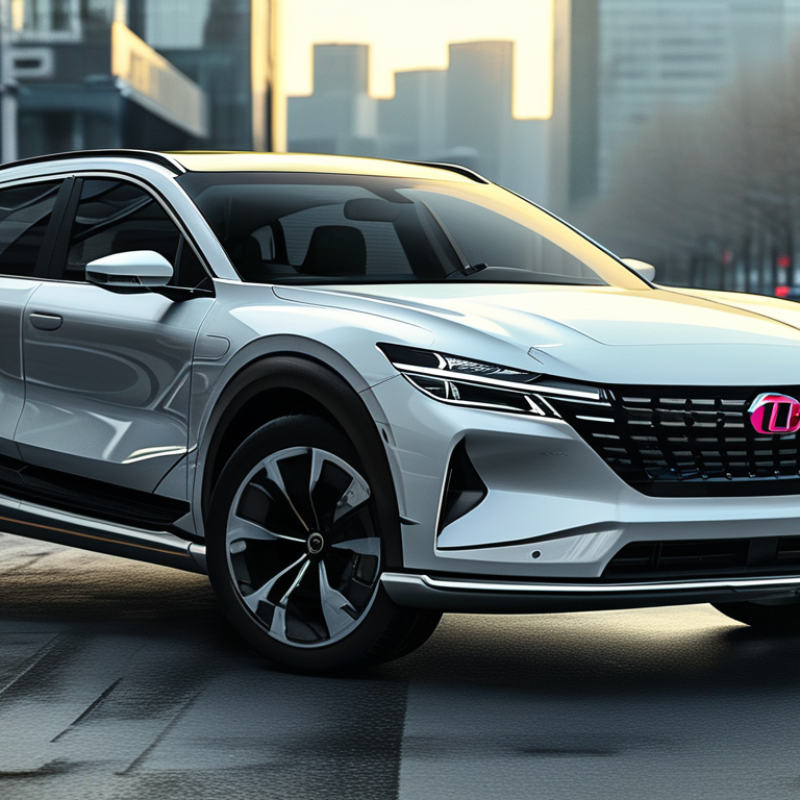
The hybrid electric vehicle market is experiencing significant growth as global buyers seek sustainable options. According to a 2023 industry report, the hybrid electric vehicle segment is expected to reach a market size of over $280 billion by 2030, expanding at a compound annual growth rate of 15%. This surge is driven by rising environmental concerns and government incentives promoting cleaner technologies.
Additionally, a shift in consumer preferences towards fuel-efficient vehicles is evident. Data indicates that hybrid electric vehicles accounted for over 25% of total vehicle sales in several key markets last year. Innovative technologies in battery design and energy regeneration systems have made hybrids more appealing. However, challenges remain. Reliability issues and the higher upfront cost can deter potential buyers.
Many manufacturers are now focusing on improving performance while reducing overall costs. The ongoing development in charging infrastructure is also crucial. Still, the market shows promise as companies invest in research to enhance the driving experience. The hybrid electric vehicle landscape is evolving, presenting both opportunities and challenges for stakeholders.
The hybrid electric vehicle (HEV) market is evolving rapidly, especially for the 2026 models. Key innovations focus on efficiency and sustainability. Many new HEVs offer advanced battery technology. This leads to longer ranges and shorter charging times. Drivers can expect 10-15% improved fuel economy in 2026 models. Enhanced regenerative braking systems are becoming standard. This technology allows HEVs to recapture energy lost during braking.
Moreover, intuitive driver-assistance features are on the rise. Smart navigation enables efficient route planning, often adapting to traffic conditions. Some models incorporate artificial intelligence for a more personalized driving experience. However, users may find these systems overwhelming. Not all drivers appreciate constant technology updates or changes in controls. It's vital for manufacturers to balance innovation with user-friendly designs.
The sustainability aspect cannot be overlooked. Many vehicles explore the use of eco-friendly materials in construction. This approach reduces their overall carbon footprint. Still, the concern about recycling battery components remains significant. Challenges exist in ensuring that advancements do not create new environmental burdens. Overall, while 2026 HEVs show exciting promise, there are hurdles to address in user experience and sustainability.
In 2026, the hybrid electric vehicle (HEV) market is gaining momentum. Buyers are seeking eco-friendly options that don’t sacrifice performance. The top five best-selling hybrid electric vehicles reflect this trend, providing a range of features to cater to diverse demands.
Driving efficiency is crucial. Many drivers appreciate the balance between electric power and gasoline engines. This balance often results in smooth acceleration and reduced emissions. Additionally, these vehicles boast advanced technology, enhancing the overall driving experience. Factors like interior comfort and safety features are paramount. Shoppers should consider how these elements meet their personal needs.
A common concern in hybrid vehicles is battery lifespan. Regular maintenance is vital to prolong battery health. Drivers should invest in routine check-ups to ensure optimal performance. Another point to reflect on is the cost of ownership. While hybrids typically cost more upfront, their fuel efficiency can lead to savings over time. Buyers must weigh these factors carefully before making a purchase.
Hybrid electric vehicles (HEVs) offer compelling advantages over traditional gasoline vehicles, particularly in efficiency metrics. According to the U.S. Environmental Protection Agency, HEVs can achieve up to 50% better fuel economy than conventional cars. This is especially evident in urban driving conditions where hybrids frequently operate in electric mode. Such performance translates into fewer emissions and lower fuel costs, crucial for environmentally conscious consumers.
However, efficiency isn't solely about fuel economy. A study by the International Energy Agency reveals that while hybrids use less fuel, the initial purchase price can be significantly higher. Consumers often face a dilemma: the perceived savings on fuel may not offset the initial sticker shock. Additionally, battery maintenance and potential replacement costs raise further questions about long-term affordability. The complexity of hybrid systems may also lead to higher repair costs, adding another layer to the cost-benefit analysis.
Furthermore, the comparative analysis shows that traditional vehicles remain a staple due to their lower upfront costs and ease of maintenance. This creates a challenging landscape for buyers considering a transition to hybrid models. Many consumers still favor the familiarity and simplicity of conventional cars, leading to a slower adoption rate for HEVs. The hybrid market must navigate these perceptions to gain broader acceptance globally.
| Vehicle Type | Fuel Efficiency (MPG) | Electric Range (miles) | CO2 Emissions (g/km) | Maintenance Cost ($/year) |
|---|---|---|---|---|
| Compact Hybrid | 55 | 25 | 90 | 500 |
| Midsize Hybrid | 50 | 30 | 100 | 600 |
| SUV Hybrid | 45 | 22 | 120 | 700 |
| Luxury Hybrid | 40 | 28 | 110 | 800 |
| Pickup Hybrid | 35 | 20 | 130 | 750 |
The adoption rates of hybrid electric vehicles (HEVs) are expected to soar by 2030. As global awareness of climate change increases, more consumers are considering eco-friendly alternatives. By 2030, forecasts indicate that HEVs could comprise a significant portion of new vehicle sales worldwide. Some estimates suggest up to 40% of all new vehicles may be hybrids.
For many buyers, cost remains a concern. Hybrid models typically have higher upfront prices, though they can save money on fuel over time. Understanding the total cost of ownership is crucial. Evaluate potential savings on fuel, maintenance, and tax incentives. These factors can tip the scale in favor of hybrid adoption.
One of the challenges ahead is the need for stronger charging infrastructure. Some regions lack sufficient charging stations, making HEVs less appealing. Conveniences like access to charging stations can enhance user experience. Stay informed about local infrastructure developments to plan your vehicle choice effectively. The road to widespread HEV adoption requires informed buyers navigating challenges thoughtfully.
: Hybrid vehicles can achieve up to 50% better fuel economy. This is especially true in urban areas.
The initial purchase price of hybrids is often higher. This can lead to a perceived sticker shock for buyers.
Yes, battery maintenance and potential replacement can be costly. Repair expenses may also be higher due to complex systems.
Lower upfront costs and ease of maintenance make traditional vehicles appealing. Many buyers prefer their familiarity and simplicity.
Hybrid vehicle adoption is expected to rise significantly. Forecasts suggest they could make up to 40% of new vehicle sales.
Buyers should evaluate fuel savings, maintenance costs, and potential tax incentives. These can influence long-term affordability.
Insufficient charging stations in some regions can deter potential buyers. Access to charging stations greatly impacts user experience.
Stay informed about local infrastructure developments. Understanding available resources can lead to better decision-making.
Many focus only on fuel savings without considering other costs. This can distort the overall cost-benefit analysis.
Consumer preference for traditional vehicles and their simplicity plays a significant role. Changing perceptions is crucial for hybrid acceptance.
The article titled "2026 Best Hybrid Electric Vehicles for Global Buyers" provides a comprehensive overview of the hybrid electric vehicle market, highlighting key trends and innovations anticipated in 2026. It discusses the significant features that distinguish hybrid electric vehicles from traditional vehicles, emphasizing their improved efficiency and reduced carbon footprint.
Additionally, the article presents a comparative analysis of the efficiency of hybrid electric vehicles versus conventional vehicles, demonstrating the benefits of adopting hybrid technology. The discussion culminates with future forecasts of hybrid electric vehicle adoption rates by 2030, indicating a promising shift towards more sustainable transportation options. Overall, the insights in this article underline the growing importance of hybrid electric vehicles in addressing today's mobility and environmental challenges.
